Role
Product Designer
PatternAI is a GenAI productivity platform serving enterprise teams. As Product Designer in 2022, I owned the experience that turned skeptical first-time users into confident weekly returners — through intelligent automation, personalised recommendations, and an interface that adapts to each person's rhythm of adoption.
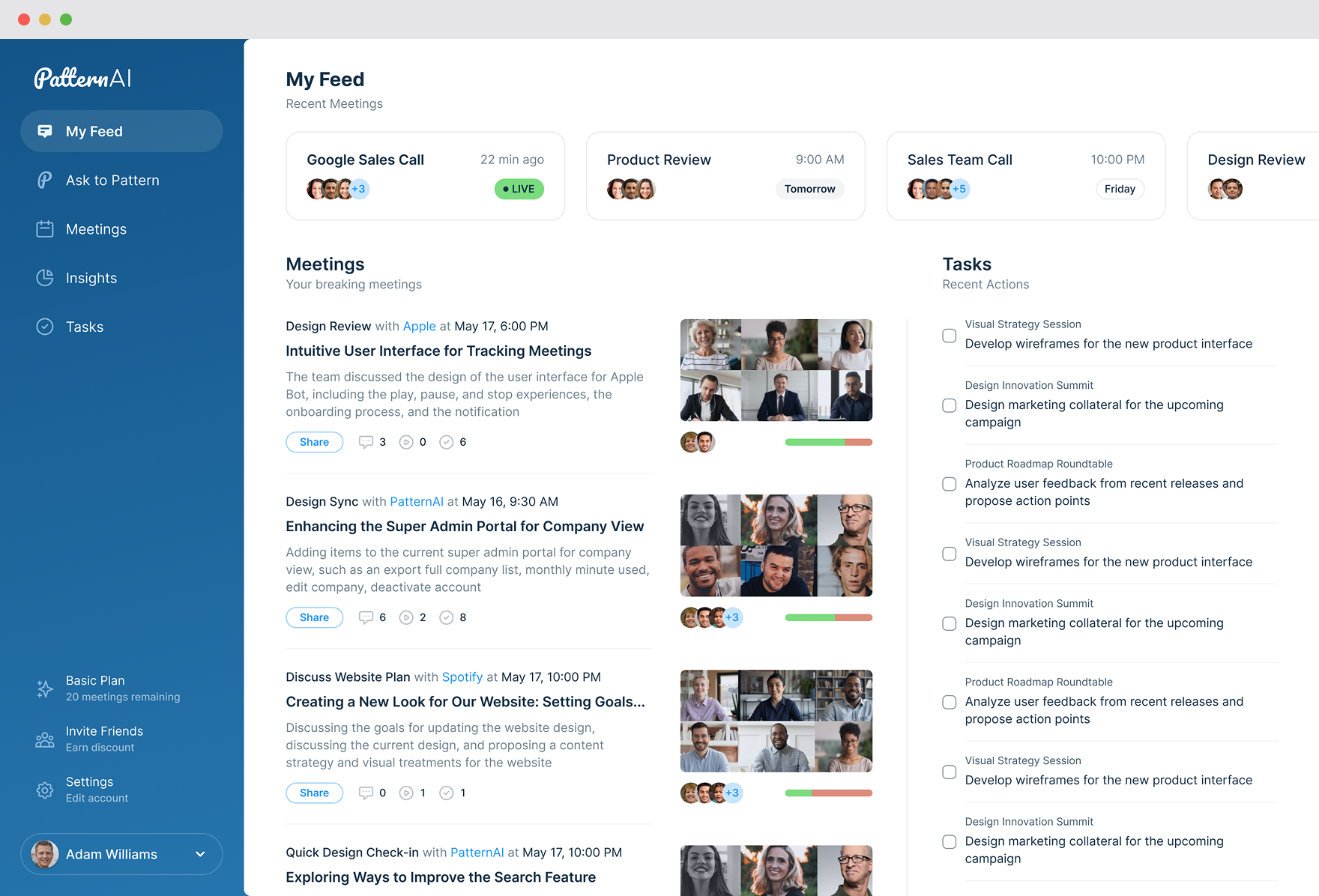
The brief, in one breath. PatternAI's product worked. Tutorials had been written, models had been trained, the engineering was solid. But every Monday a new cohort of trial users would log in, type two prompts, and never come back.
Activation was low and sessions were short and uncomfortable — people prompted as if they were typing into a search box, got back walls of text, and concluded that it "wasn't for them." The product team felt this with their fingertips: the AI was capable, the user was capable, the handshake between them was broken.
I came in to design that handshake — not as an onboarding flow tacked onto the front of the app, but as a posture the whole product would teach.
One. Users had no mental model of what a good prompt looked like. They wrote five-word queries, got vague answers, and rated the product accordingly.
Two. The interface was a blank canvas. A blinking cursor in the middle of a white screen tells you nothing about the room you've just walked into.
Three. The "aha" was buried. Users had to type the right thing in the right way to find out what the product was actually for. The first ten minutes were the most expensive ten minutes of the funnel.
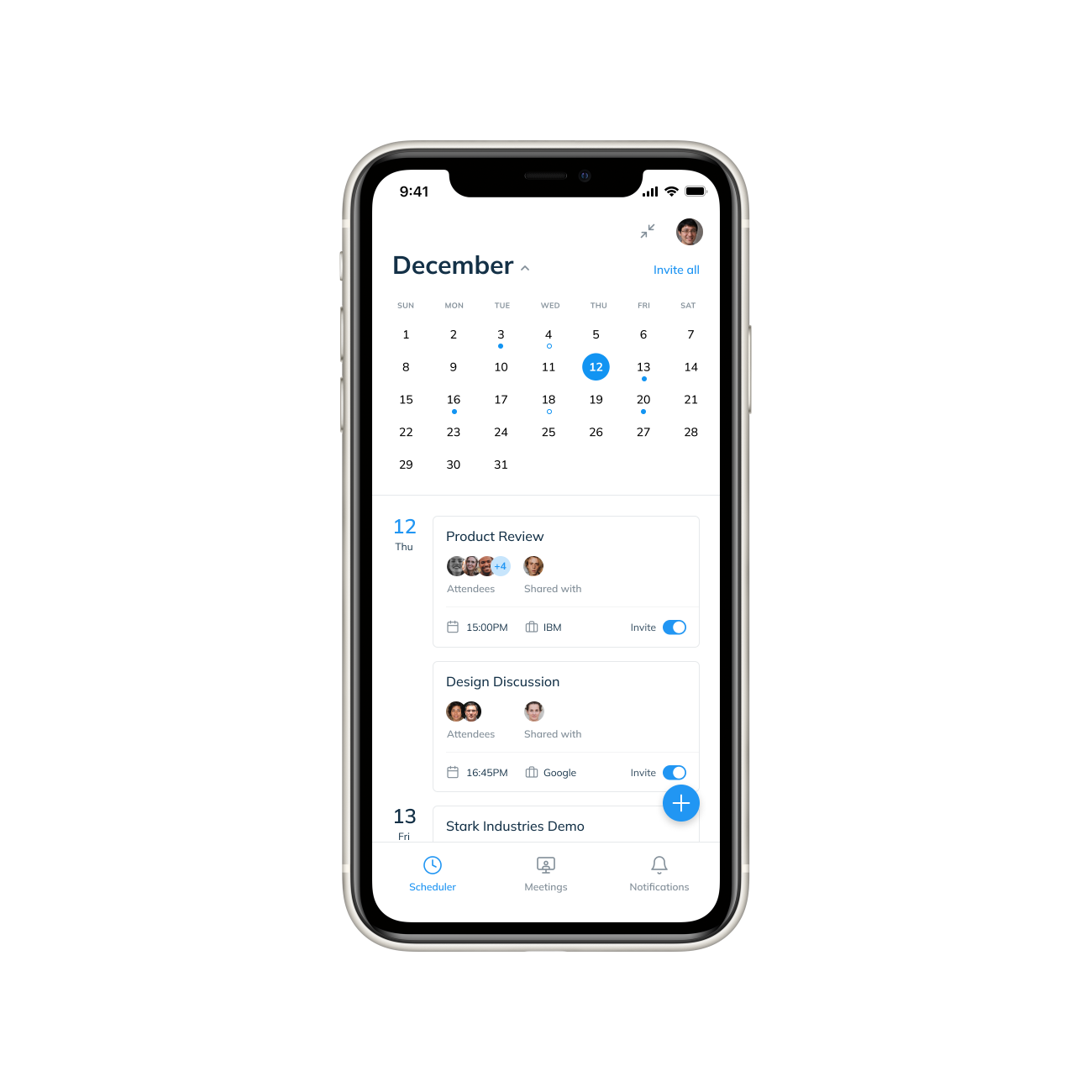
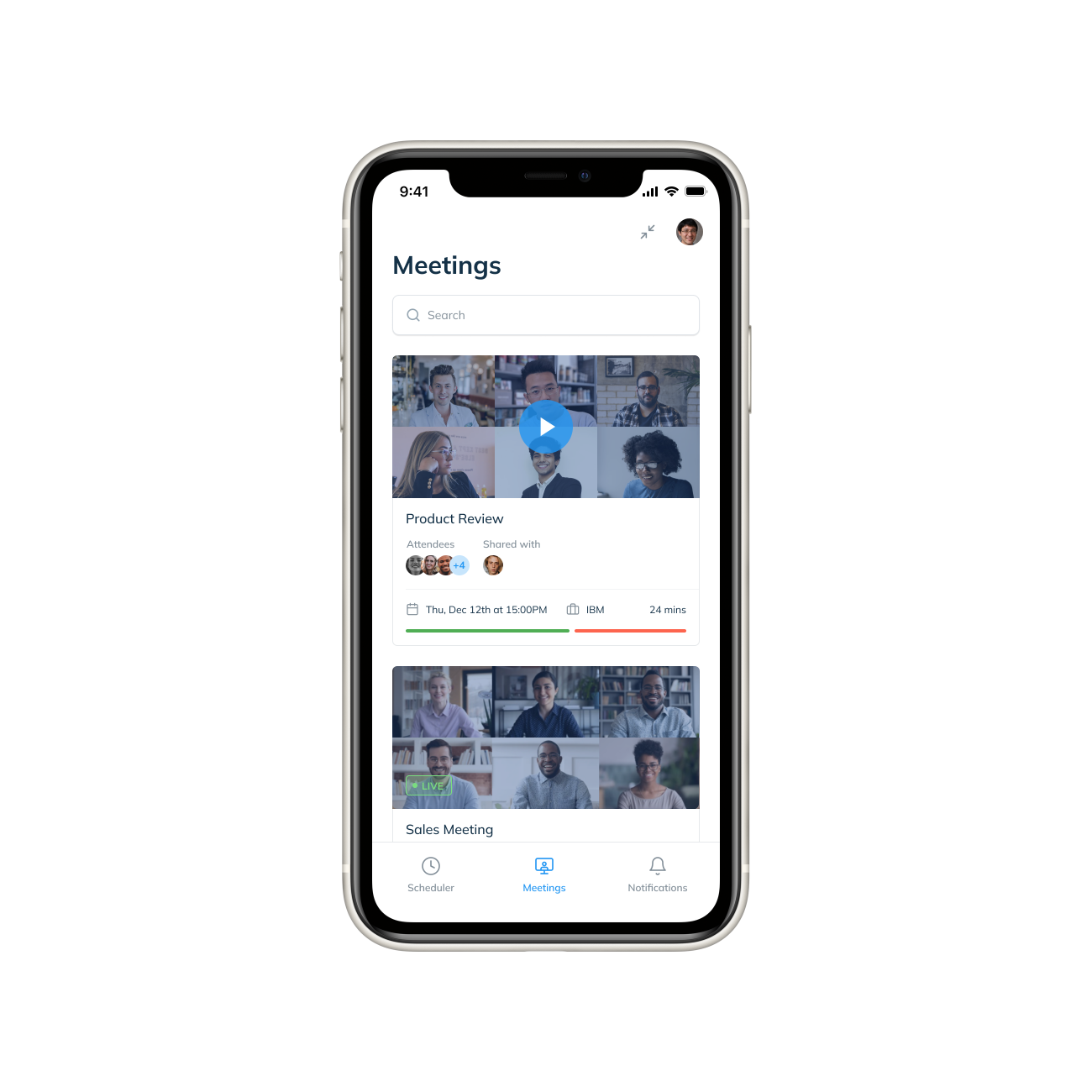
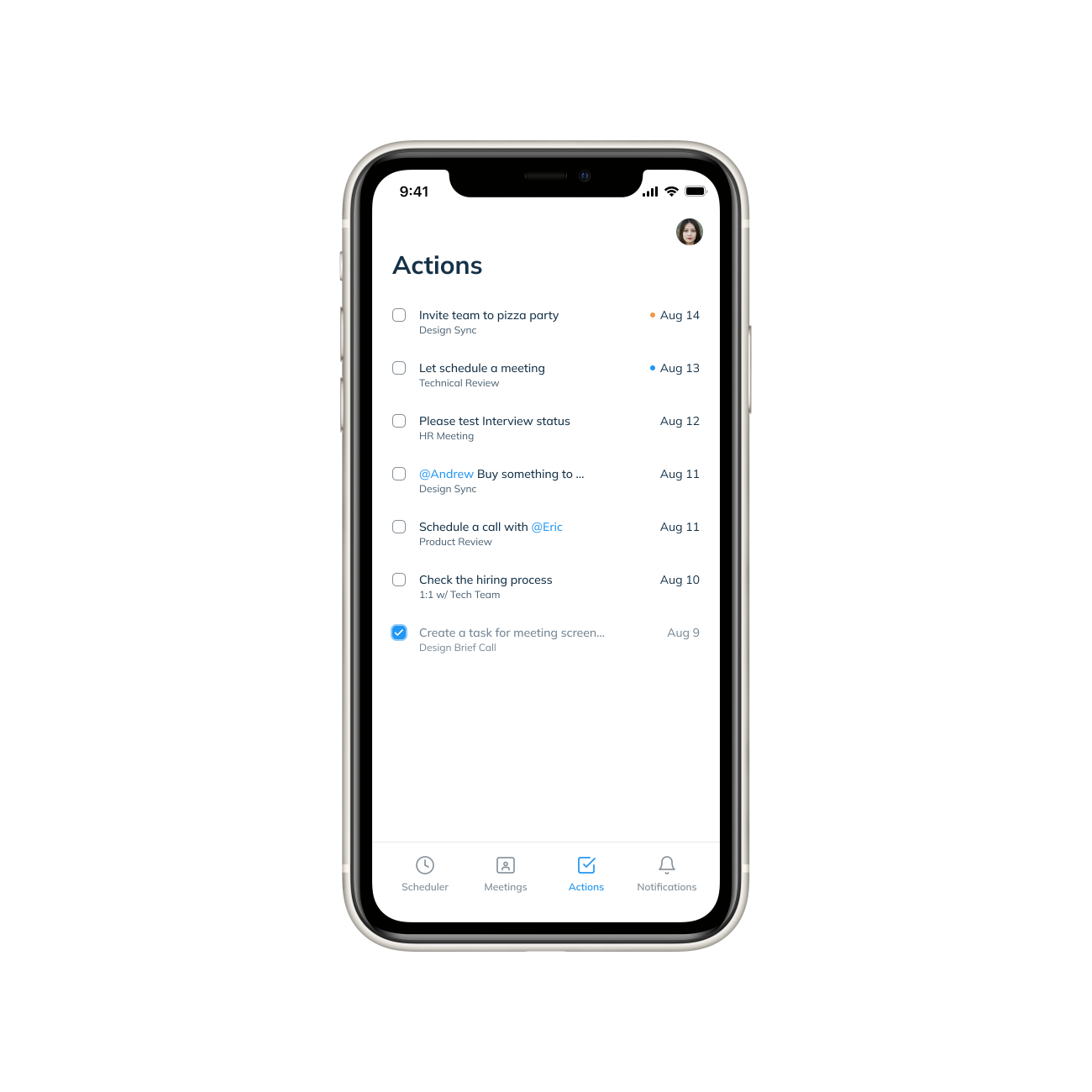
I ran a two-week diagnostic with eight customers across four roles — operations leads, support managers, finance analysts, salespeople. Watched the first thirty minutes of their use, paused the screen, asked them to describe what they thought the product wanted from them.
Three patterns emerged that became the design's spine:
Show the shape of the answer first. When users could see what kind of thing they were going to get, their prompts got specific. Output-led design, not input-led.
Suggest, don't autoplay. Adaptive recommendations had to feel like a colleague leaning over to say "try this," not like Clippy. We measured every suggestion's accept rate; ones below 22% got cut.
Make the second day better than the first. Personalisation kicked in once we knew enough — typically by session three — and the UI got progressively more competent as the user did. Adaptive interface, not infantilising onboarding.
Eight customer interviews, ten hours of session replay, a one-page funnel teardown reviewed with the CEO. Signed off on a north-star metric: "Day-7 returning, week-2 retained."
Built three onboarding stances in Figma + Framer: a tutorial-first, a templates-first, and an adaptive-suggestions. Each had a written hypothesis. Tested with a 24-person panel. Templates and adaptive both moved activation; we shipped a hybrid.
Designed the suggestion engine surface — when a tip appears, how it's dismissed, how it learns from being dismissed. Wrote the design system additions (`Cue`, `Stage`, `Worktop` components) and shipped a Figma library plus engineering specs.
Phased release behind feature flags. A/B tested suggestion thresholds, copy and timing. Ten weekly funnel reviews with the data team. By week 22 every onboarding step was at or above goal.
Trained two designers on the adaptive pattern, wrote the documentation, then shifted my own focus to the team-collaboration surface (out of scope for this case study).
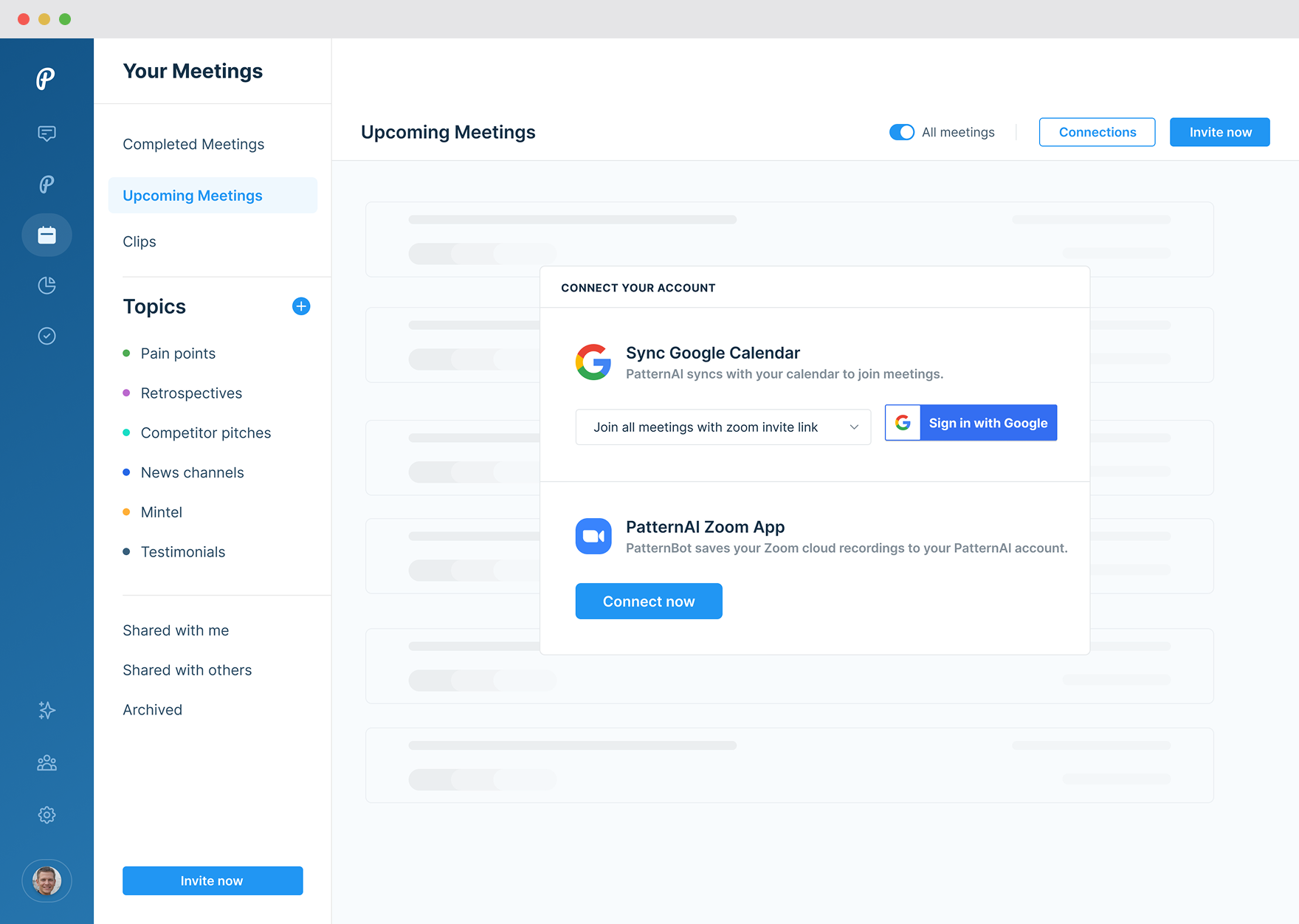
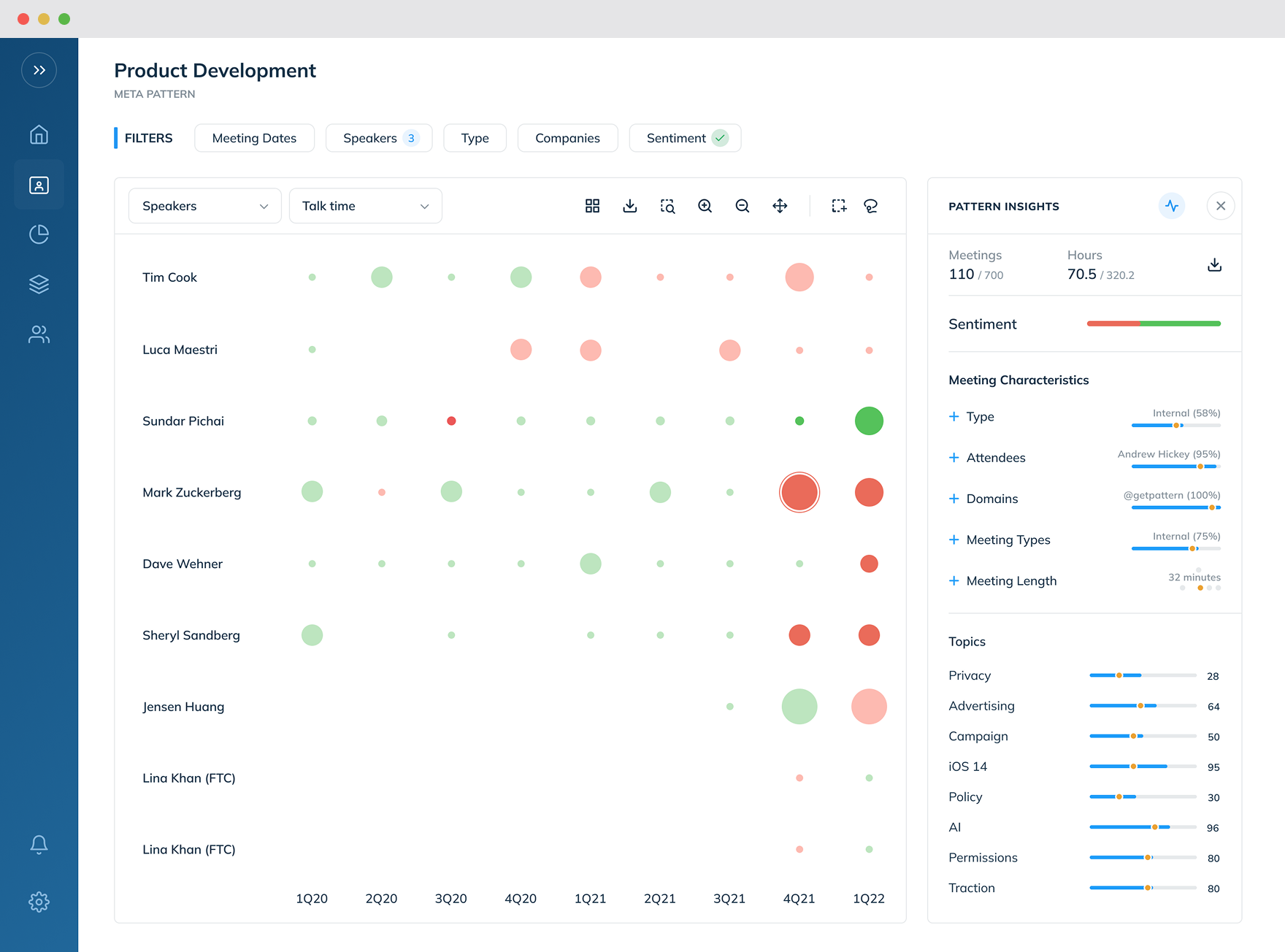
When users could see what kind of thing they were going to get, their prompts got specific. Output-led design, not input-led — the feed previews results before anyone types.
Adaptive recommendations had to feel like a colleague leaning over to say "try this," not like Clippy. We measured every suggestion's accept rate; anything below 22% got cut.
Personalisation kicked in once we knew enough — typically by session three — and the UI got progressively more competent as the user did. Adaptive interface, not infantilising onboarding.
"Akif designed interaction patterns — chat-based querying of structured data, AI-generated visualizations, role-adaptive layouts — that have since become the dominant design language of generative AI products. He worked on them in 2022, before ChatGPT."
The interesting lesson wasn't about AI. It was about respect. Users were not stupid; they were under-furnished. Once the room had templates, cues and a checklist that learned, the same people who'd bounced in the first cohort became weekly returners.
If I were starting again, I'd invest sooner in the team-collaboration surface — adoption gets a second wind when one user pulls another in. That became my next year's work.